Category Archives: Resource

218. Liverpool Maths

You know you are a Maths teacher when you go around a British city seeing shapes and maths everywhere AND you take pictures of it! Here are some discussion starters based around the area of Liverpool ONE:

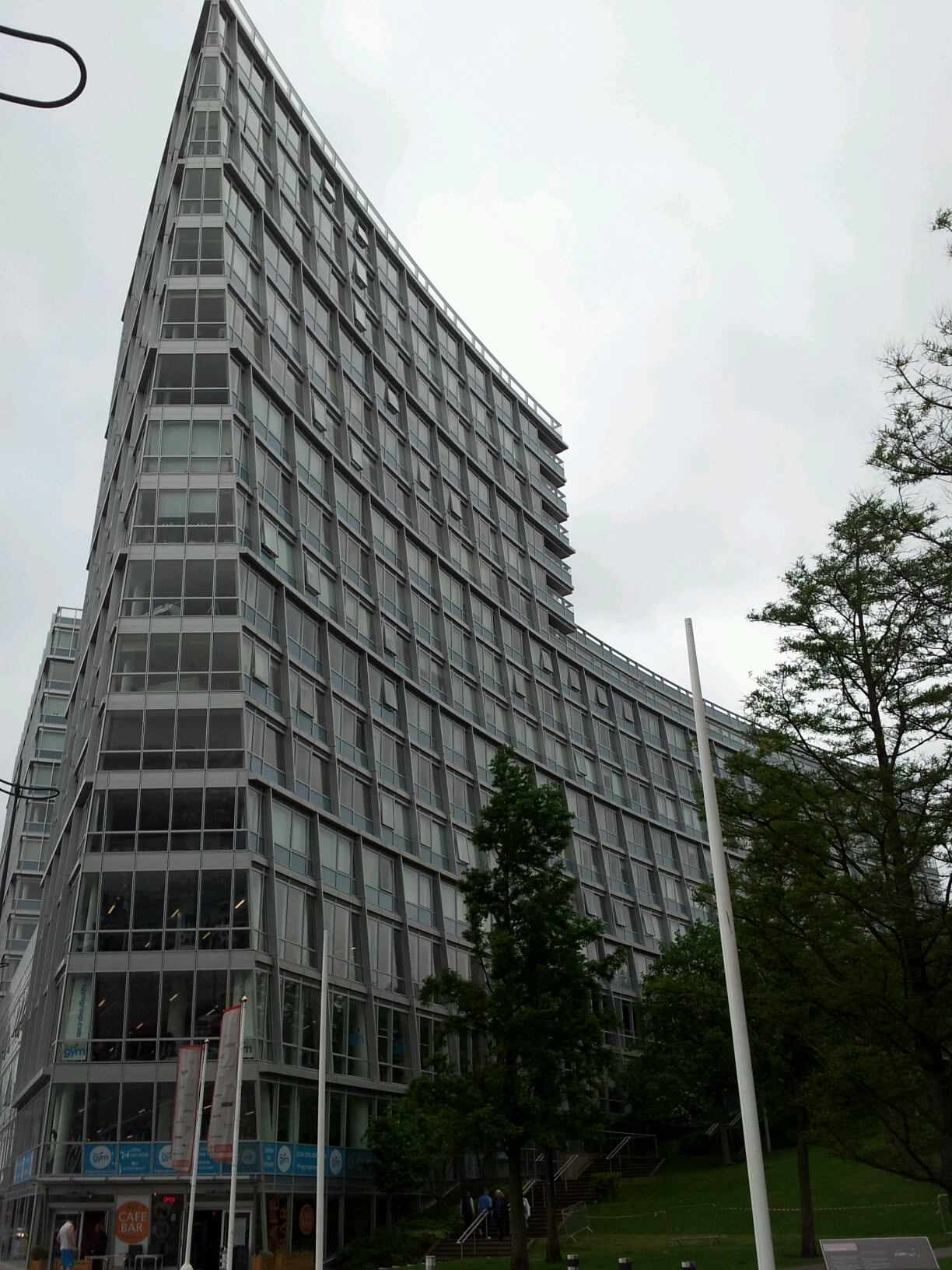
Curved building
What would the plans and elevations look like? Why do you think the side windows are parallelograms not rectangles? Are the end windows similar shapes? What mathematical word describes distorting a shape? (Skew)
image

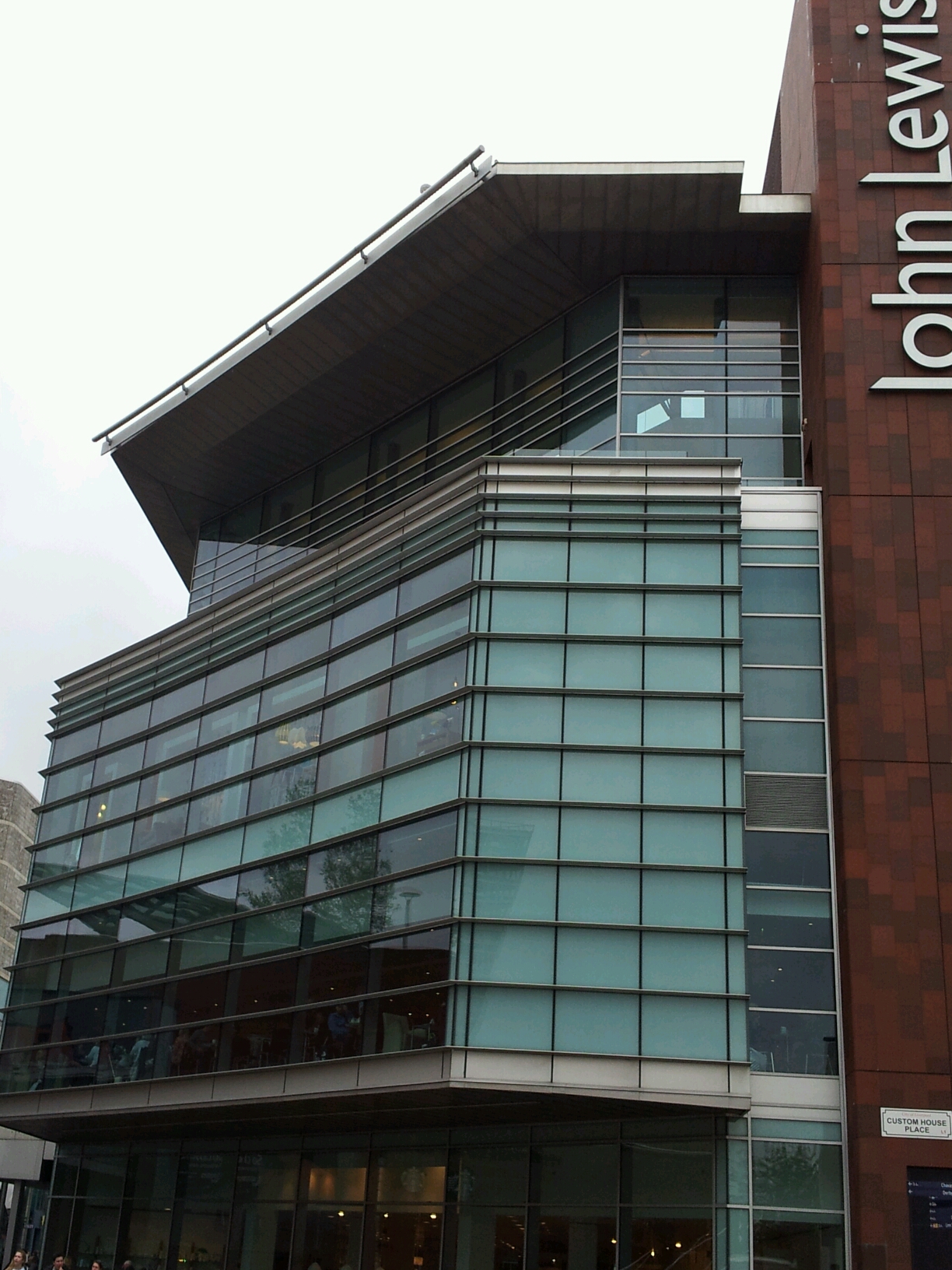
Stacked shapes
What would a plan and elevation of this building look like? What shape is the base of the projected level? (Trapezium)
image

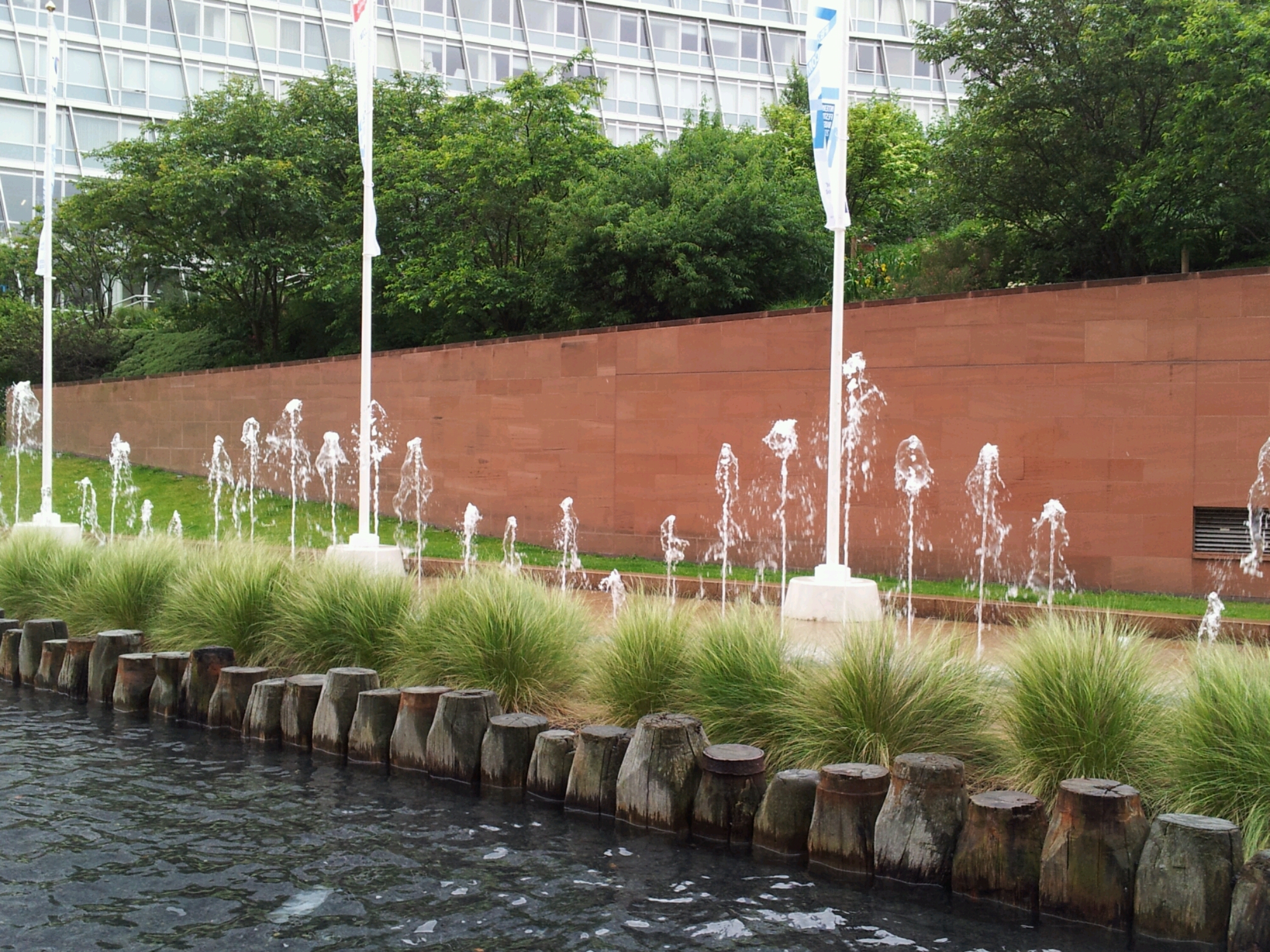
Sine wave
Is this an approximation of a sine wave? Is it representing a convergent sequence?
image

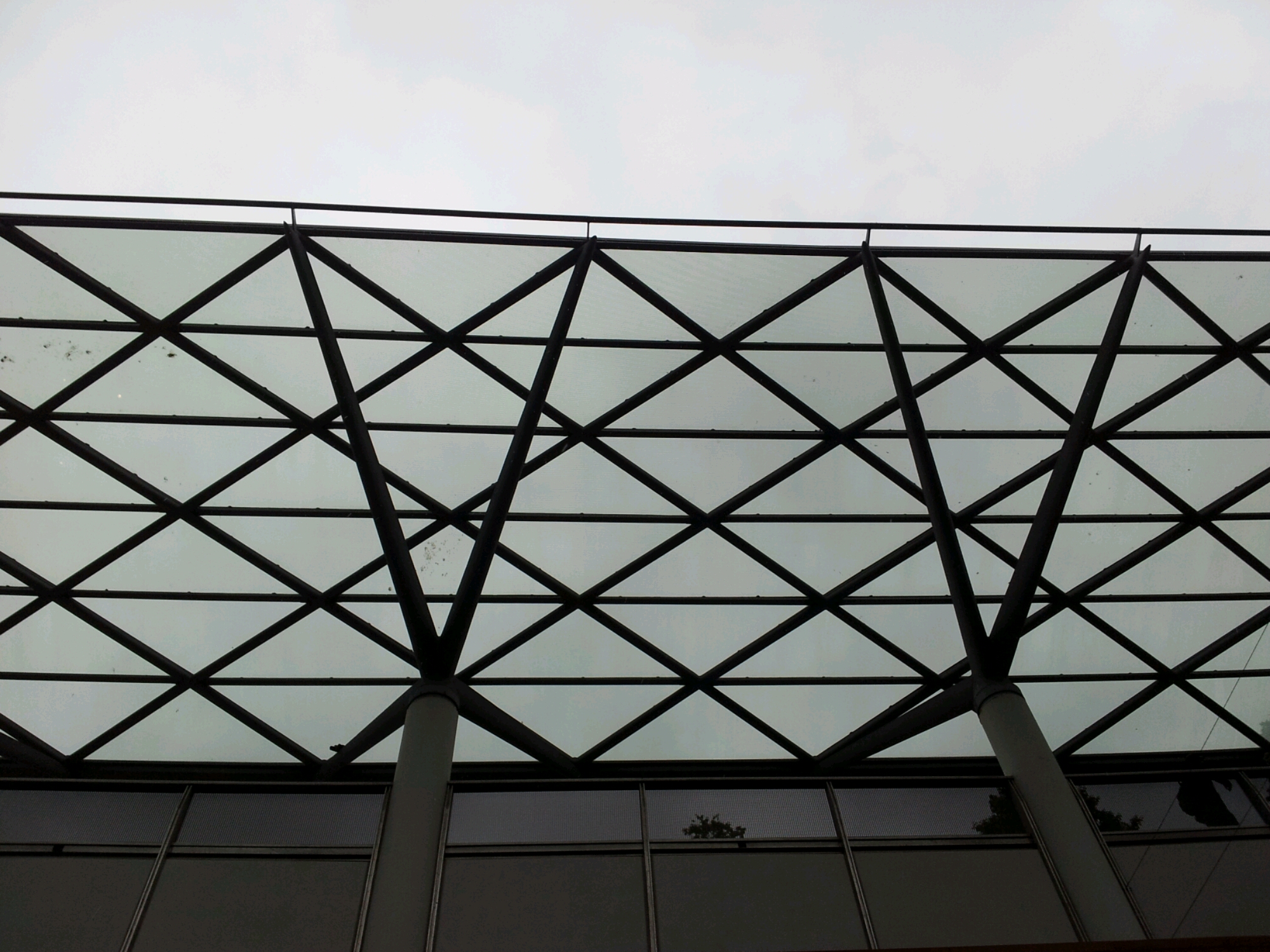
Triangular roof
Why are triangles so popular in architecture?
image

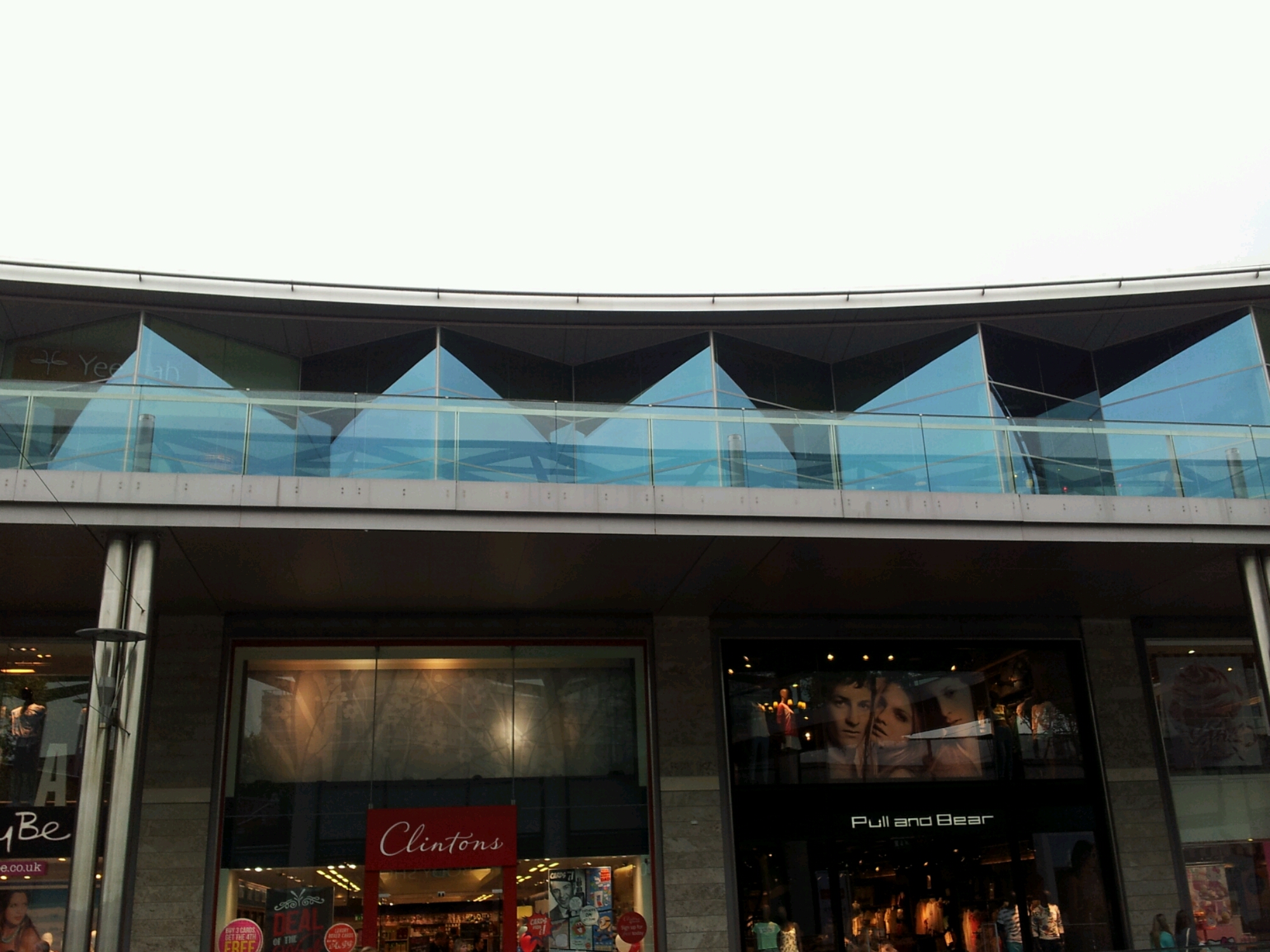
Interesting shopfront projection
What would an aerial view look like? Would you see the zigzag projections?
image

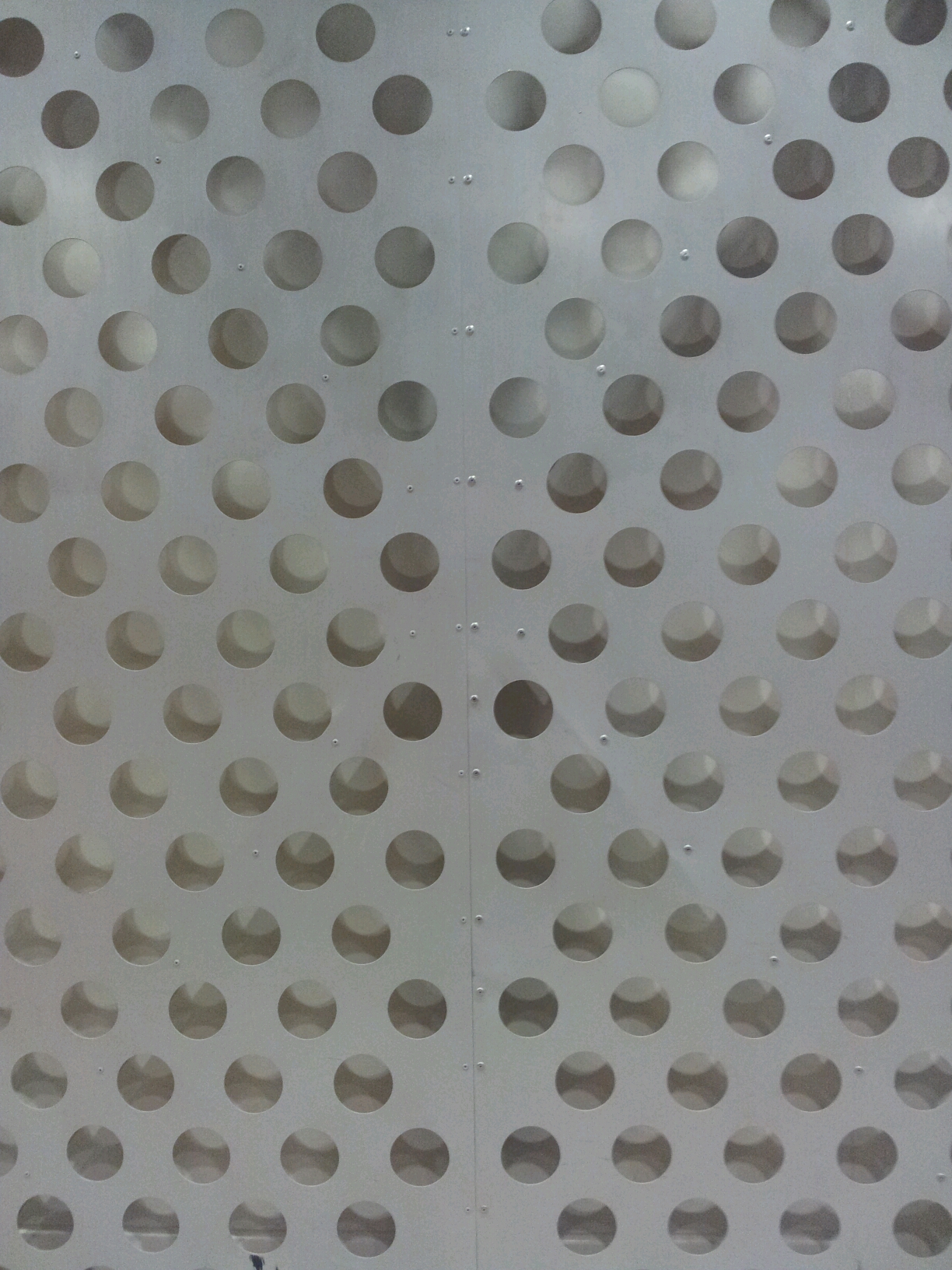
Security door
What shapes can you see? Is it like isometric or squared dotty paper?
image

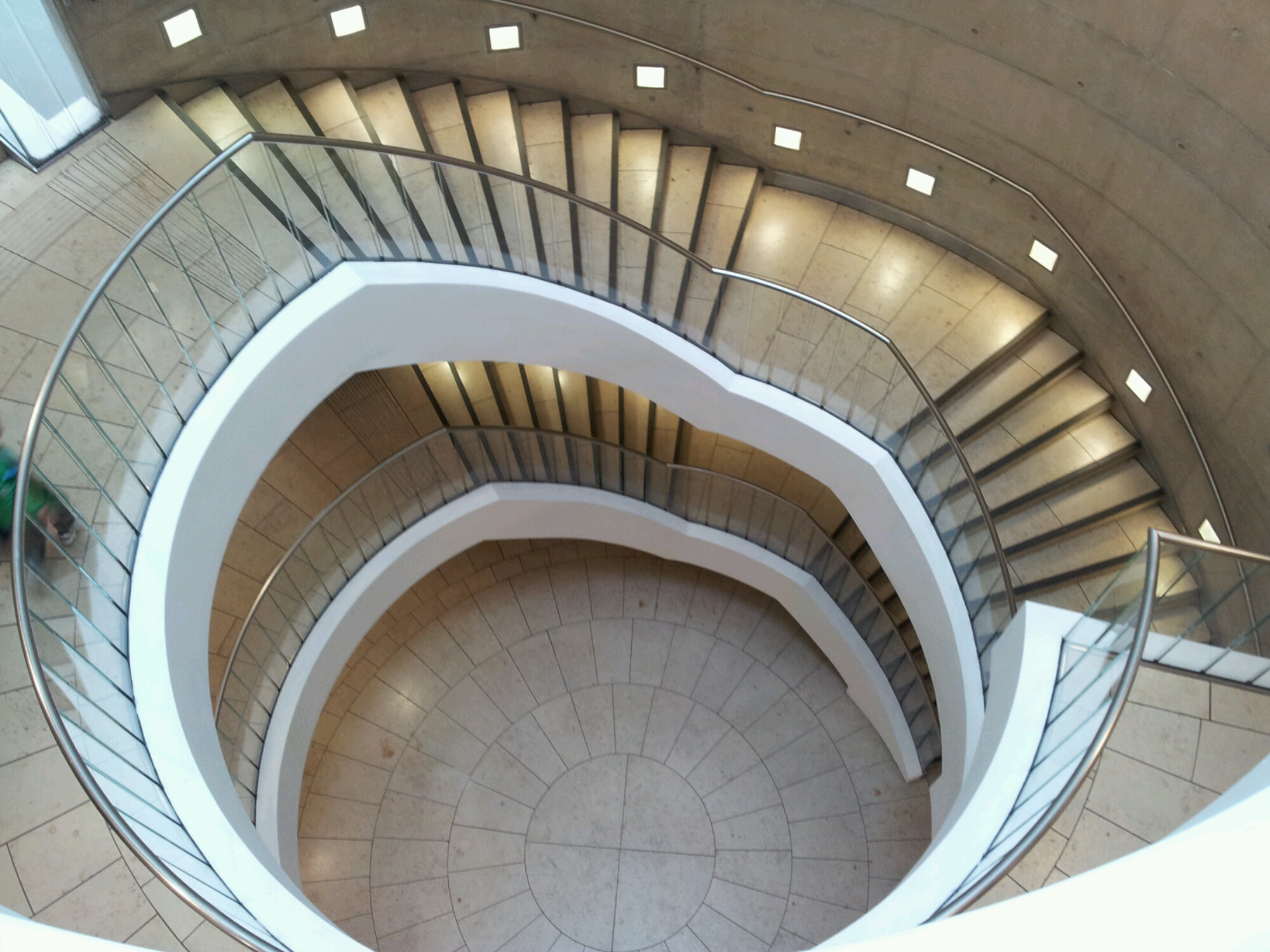
Curved stairwell
What mathematical things can you see? Are the handrails parallel?
image

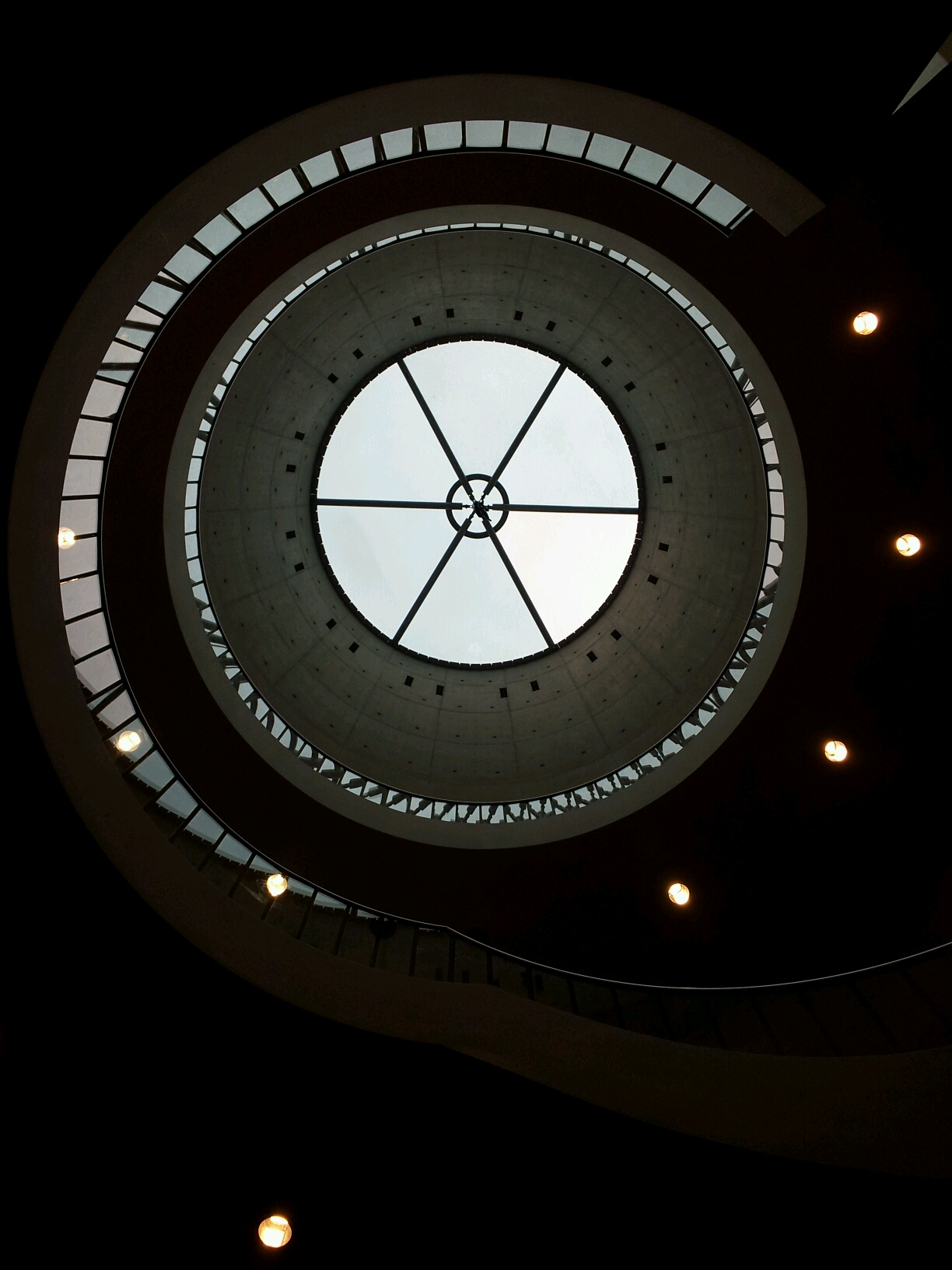
Circular skylight
What features of a circle can you see?
image

216. Back to the Takeaway

If you like Takeaway homeworks or need a resource for the area and perimeter of circles, including some arc/sector challenges, then my third takeaway homework is for you!

Takeaway Homework 3: Area & circumference of circles

215. Another Takeaway

After the warm response the first takeaway homework received, I’ve written another! This time it is about Pythagoras and basic trigonometry – suitable for introductory or revision homework. This one hasn’t yet been trialled, so let me know how it goes.

Pythagoras and Trigonometry homework

214. My first takeaway homework

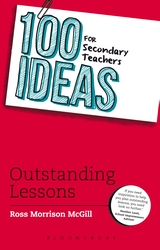
If you have been on Twitter recently you may have seen educators sharing their ‘Takeaway’ homeworks. The idea is in Ross Morrison-McGill’s splendid book ‘100 Ideas for Secondary Teachers: Outstanding Lessons’ (@TeacherToolkit). Maths teachers have started embracing this concept and sharing their menus online.

Image credit: Bloomsbury Press

Image credit: Bloomsbury Press

I’ve written a ‘Takeaway’ homework aimed at Year 9 Level 6/7 students on constructions, plans and elevations. Each task has a monetary value based on difficulty and every student must complete at least three tasks to complete the minimum £12 of homework.  I personalised my in-school version to include the websites we subscribe to and books we use. I’m looking forward to seeing what my students hand in and I will update this post when they do.

Constructions Takeaway Menu (pdf)

213. Crack the code 2

If you liked the previous post 212. Crack the code 1, you’ll like this one.

Image Credit: blog.thefoundationstone.org

Image Credit: blog.thefoundationstone.org

Another Code sheet, but this time on Pythagoras’ theorem. The sheet covers Pythagoras (find hypotenuse and shorter side), Pythagorean triples, problem solving and rounding to 2dp.

Download it here: Pythagoras Crack the Safe

212. Crack the Code 1

I love the worksheets produced by danwalker on TES resources. Basically a set of results are combined to make a numerical code. You could have a ‘Kilner’ stye jar with a changeable combination padlock and a prize locked inside as motivation.

Image credit: www.waragainstwork.com

Image credit: www.waragainstwork.com

I’ve started using this style of activity with sleepy sixth formers, unmotivated low ability Year 10 and excitable Year 9s. Dan Walker has released the following activites on TES resources:

Parametric Equations

Binomial Expansion

Percentages

I’ve now created a Code sheet for Number Patterns. It covers term to term rules, using an Nth term rule, finding an Nth term and finding a specified term.

Number Patterns Crack the Safe (pdf)

211. Hidden Rectangle problem

Cool vectors can be exciting! They can describe the motion of a particle, they can represent the acceleration of a rocket, they can tell you about the angle an impact takes place at!

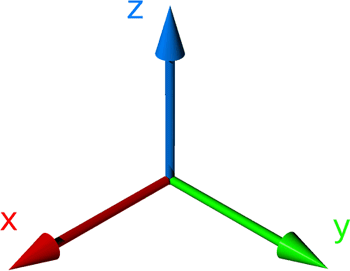
3D axes

Uncool vectors describe lines, they can intersect, they could be perpendicular, they could even describe skew lines in three-dimensions. Not quite as exciting. It isn’t difficult to see that revising standard C4 vectors can be a tad dull. How about an investigation? An investigation without an obvious answer. A question so simple that the answer is a single number. It’s the steps in between that make things interesting…

  • I asked my A-Level class to find the area of a rectangle … simple so far, how is this worthy of C4?
  • The rectangle is bounded by four vector equations … ok, points of intersection, line segment length, bit of Pythagoras there
  • The vector equations are 3D … ooh, that makes it a bit harder
  • There are eight equations to choose from … that’s mean, that means finding the angle between lines, checking for skewness, identifying parallel vectors
  • There are plenty of ‘red herrings’ … now that is just unfair (great!)

The solution to the problem is a simple surd. If you do ‘Crack the Code’ or ‘Locked Box’ problems you could use the digits under the square root sign as your padlock code.

You can download the worksheet and teachers notes here: C4 Vectors Hidden rectangle (pdf)

Depending on the engagement/ability of the students this could take between 20 and 40 minutes. It would also make an easy to assess homework.