Author Archives: MsKMP

241. Histogram Hysteria

Are you fed up of explaining the difference between a histogram and a bar graph/chart?

Cheer up! Help is at hand…

I teach a class of bright students with very little self-belief in their abilities and total fear of leaving their comfort zone. Instead of telling them what to do and set page X of textbook Y, I let them tell me what was going on and let them take small steps. After all, you wouldn’t take a beginner climber up the North face of the Eiger, would you?

Let us begin:

Download this simple comparison file: What is a Histogram? (pdf)

First I gave the students individual time to write down what they observed. They then compared their answers in pairs/threes. Finally, I collected their observations together on the board (where I had projected up the comparison worksheet).

This hands on approach allowed the students to understand how a histogram is constructed. There were fewer students thinking that histograms are just bar-charts where the bars touch.

Download the step by step worksheet: Histogram calculations step by step

(Alternatively you can download the worksheet with RAG123 self-assessment at the end: Histogram calculations step by step RAG123 )

This worksheet allows students to get the feel for calculating frequency densities without stress. The instructions are gradually removed, until students are just working from a data source. Then students practise drawing histograms.

It is also a handy revision resource – my students referred back to this worksheet when they were stuck in subsequent lessons, rather than ask me!
240. Cogged up

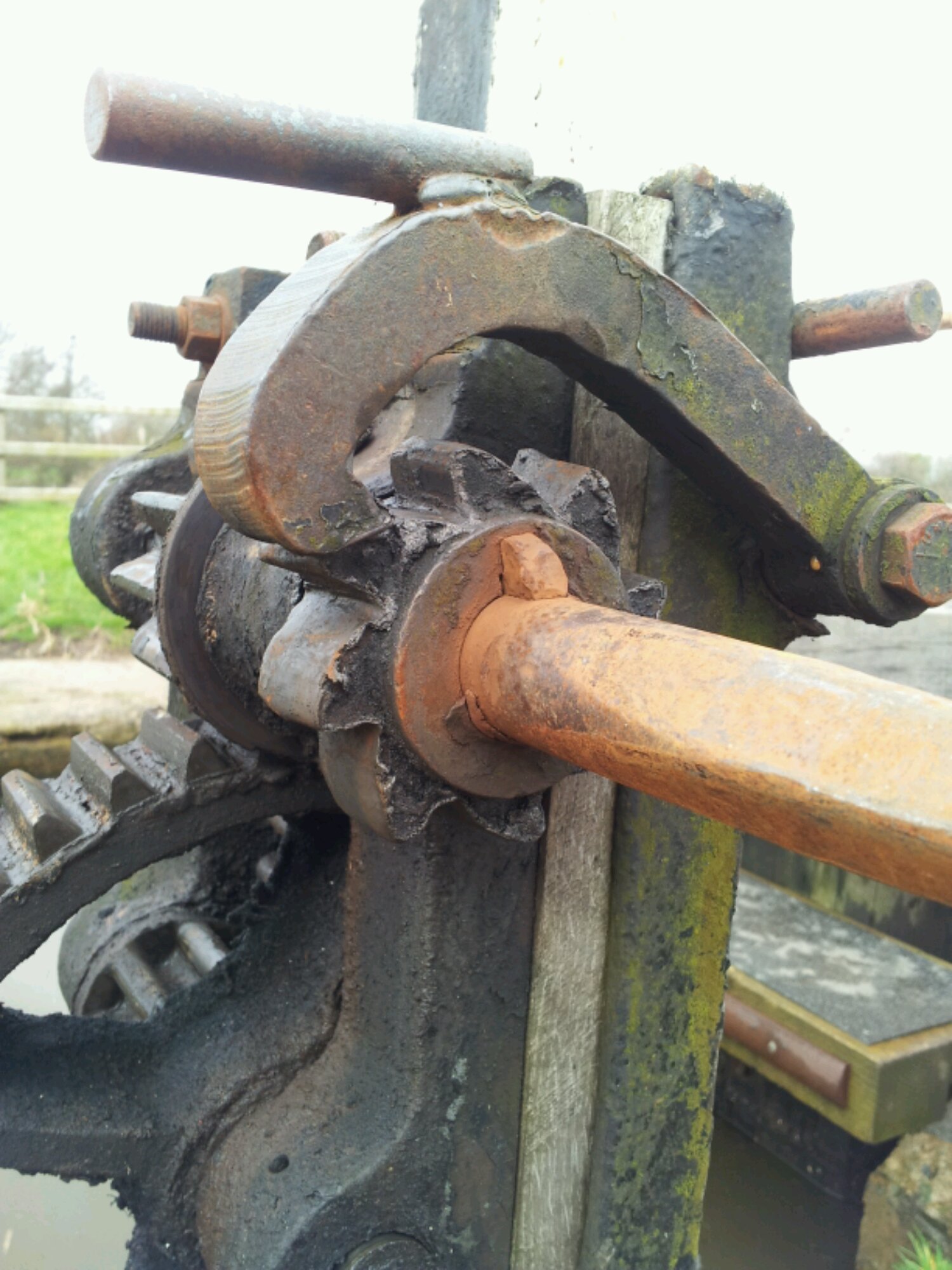
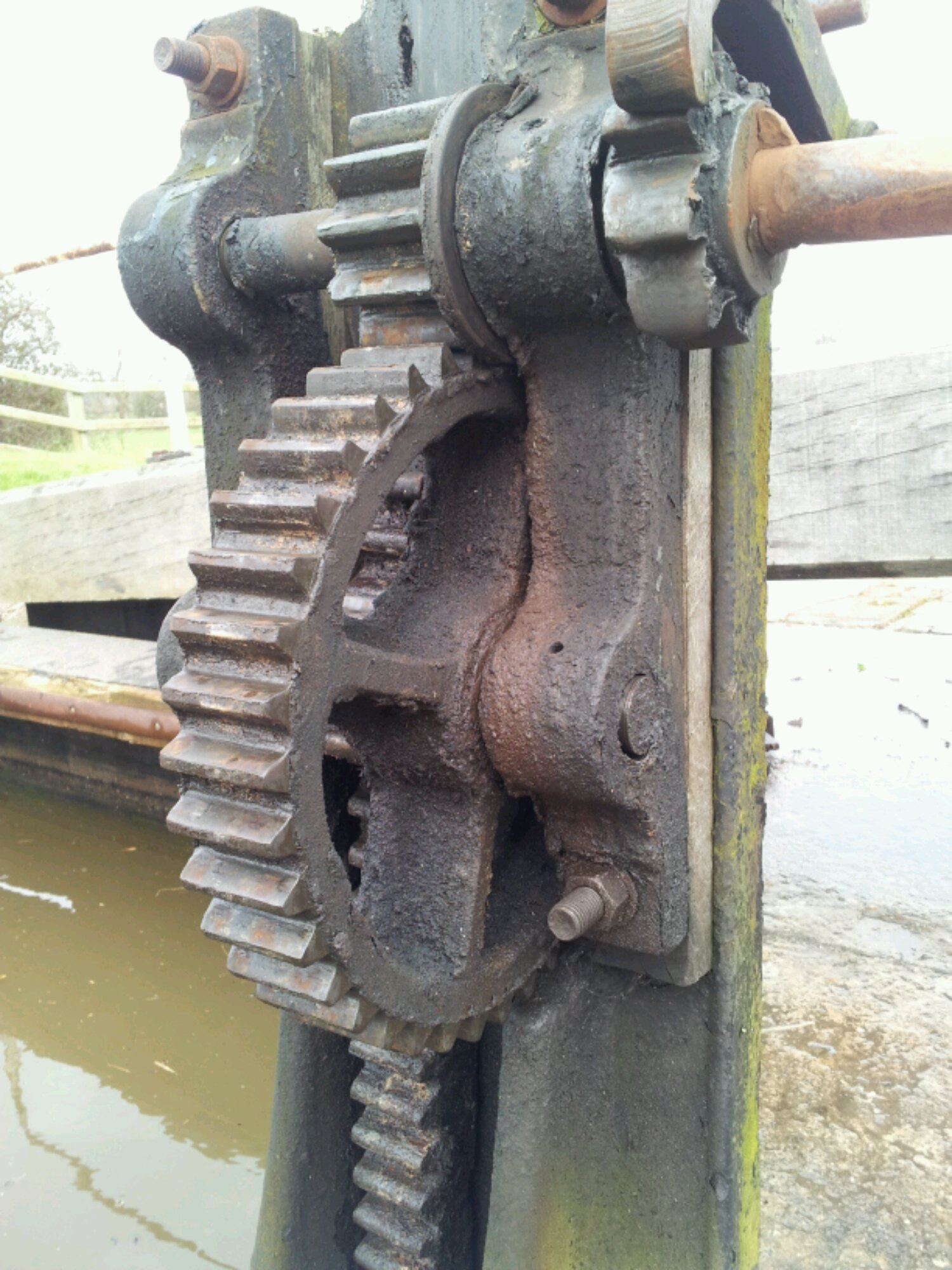
It’s amazing what maths you see when you go for a walk along a canal on a beautiful afternoon. After helping a canal boat through a lock, the following problem occurred to me: how many times must you turn the handle to raise the sluice gate?

Fact: The sluice is controlled by a series of cogs. The handle turns a ratcheted cog with eight teeth.

image

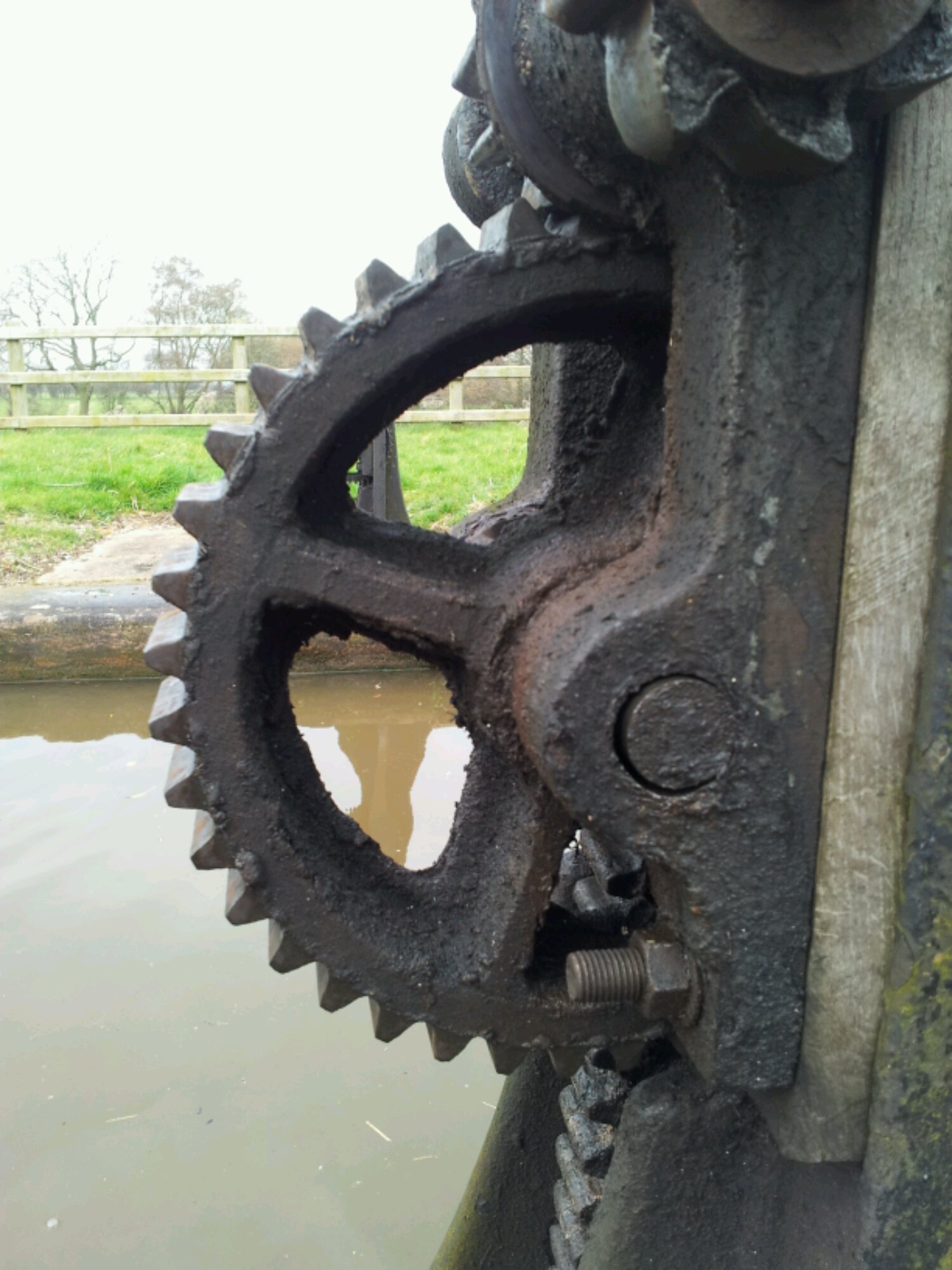
Fact: The handle turns a small cog with thirteen teeth.

image
Question: The next cog has ten teeth on a quarter of it’s circumference. How many is this in total?

image

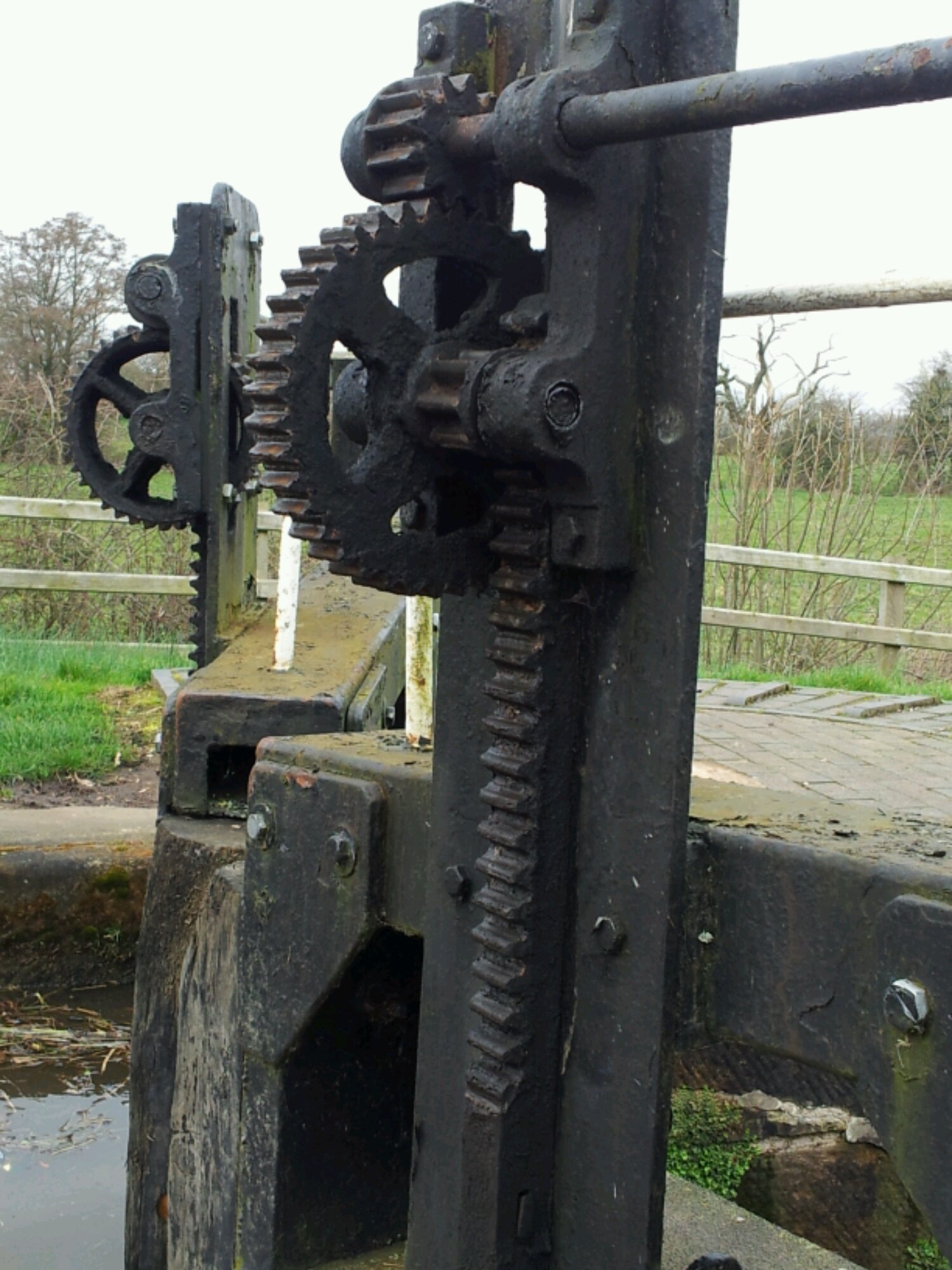
Fact: This large cog is attached to a small cog with ten teeth, which lifts the vertical post.
image
Question: From the picture can you estimate how many teeth are on the vertical post?

image

Question: Given all this information how many turns does the handle need?
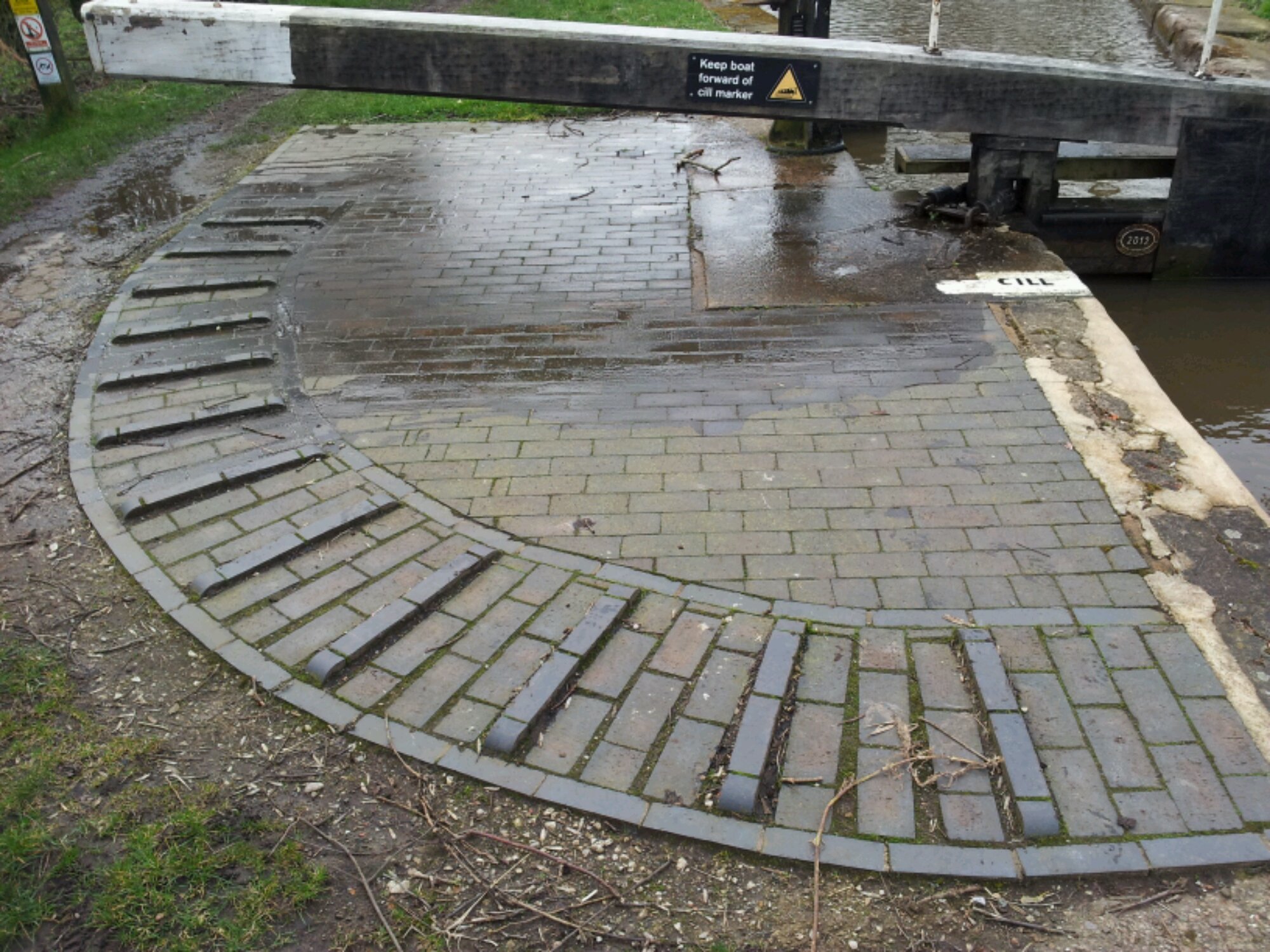
Extension: Look at this picture. What is the angle between the foot supports?
image

239. Introduction to Arithmetic sequences

Here’s a quick post for all those of you teaching Arithmetic Sequences. Whether you are teaching Level 3 Algebra or the C1 A-Level module, the jump from GCSE Nth term to the form ‘a + (n-1)d’ can be unnecessarily tricky. To help with this I’ve written a starter booklet for Arithmetic Sequences. You can download it here:

Introduction to arithmetic sequences

By the way, if your students confuse the vocabulary ‘sequence’ with ‘series’ get them to think about television. A normal television series ends, so an arithmetic series must end too!

238. Duck repairs

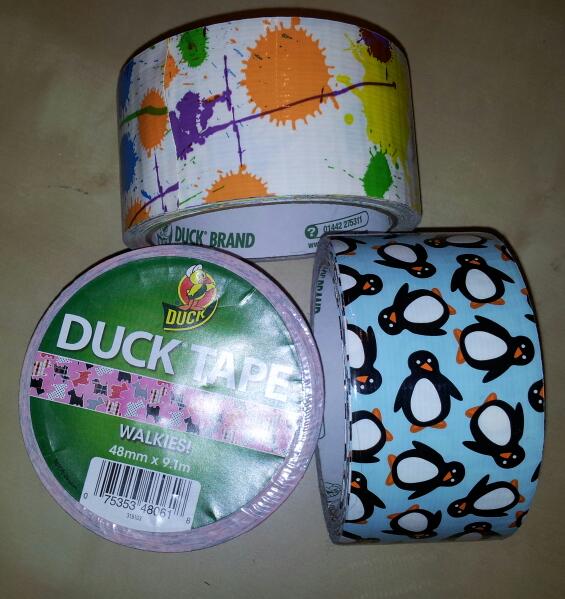
Duck Brand tape – it’s brilliant!

You only have to look at post 234 to see a great learning opportunity with duct tape … but the crazy patterns on Duck tape make it even cooler!

image

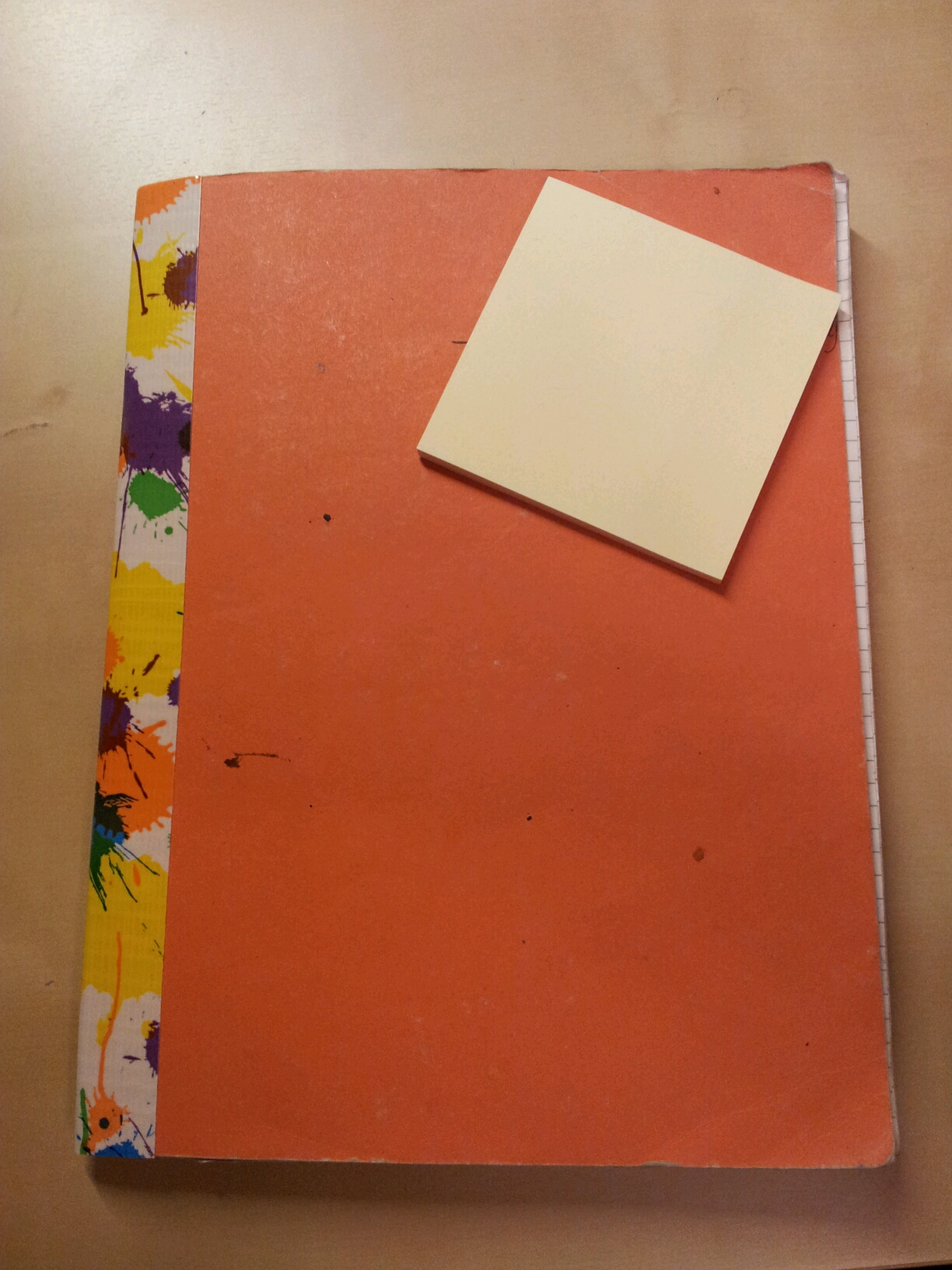
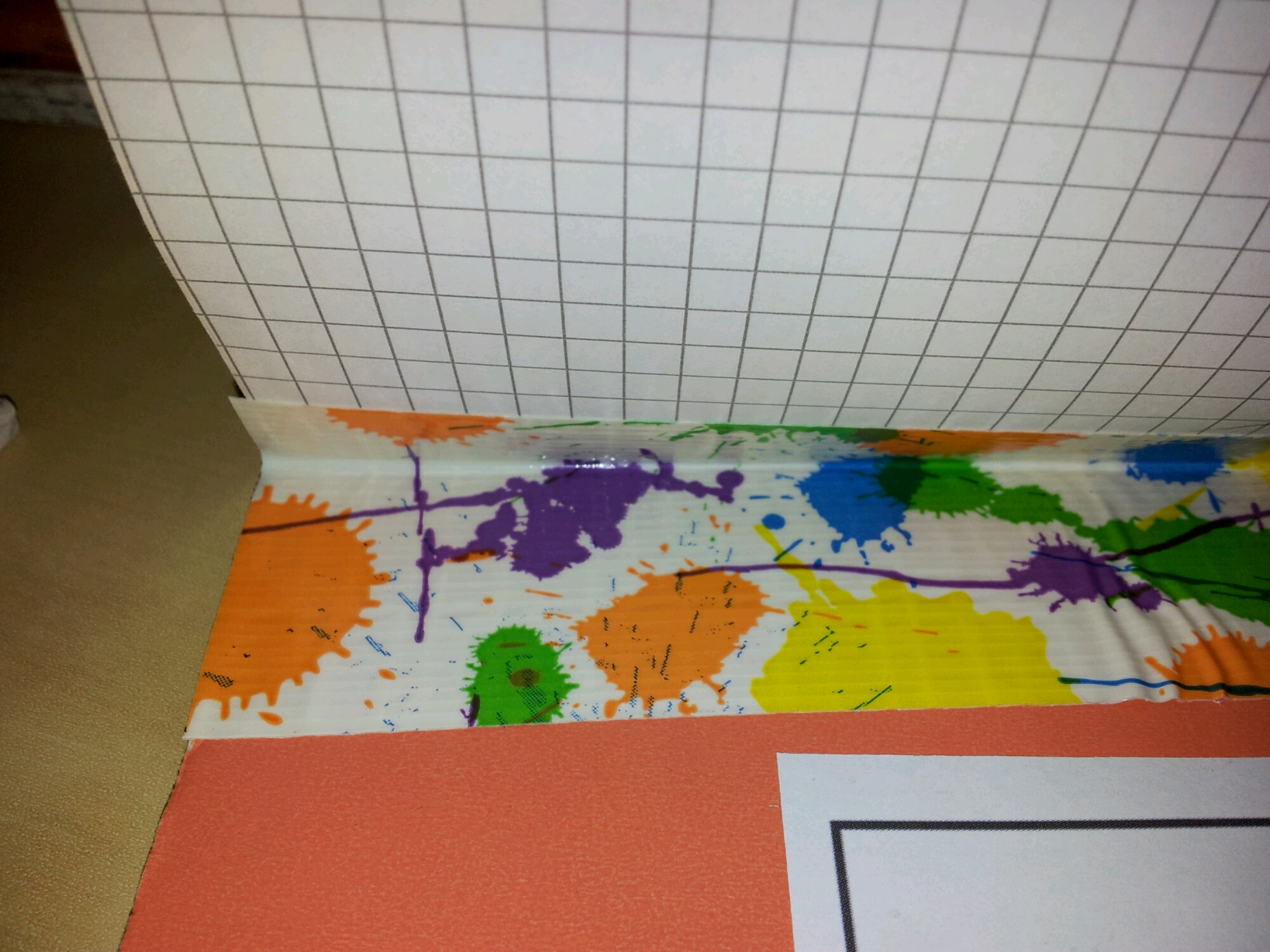
The older designs are often discontinued and reduced which is a great chance to bulk buy. Apart from the obvious craft applications you can use it for quick book repairs. It’s much quicker and neater than tape.

Torn spine?

image

Cover come off?

image

You could even use different patterns to identify different groupings.

237. Quick Starter

Don’t you just hate it when students forget basic key skills? Especially those at the higher end of Year 11 or studying A-Level, who should have a better core knowledge. What if there was a magic tool which began to address this issue?

Skills required

  • Comparing fractions
  • Trigonometric ratios
  • Simplifying surds
  • Rationalising surds
  • Pythagoras

Equipment

You will not need:

  • Worksheet
  • Powerpoint
  • Printer
  • Laminator
  • Calculator

Magic Tool

  • One board, with pen

Activity

Quite simply draw the four diagrams below on the board and ask the following questions:

Triangle Problems

  1. Which has the largest sine ratio: A or B?
  2. Which has the largest cosine ratio: C or D?
  3. Which has the smallest tangent ratio: A, B, C or D?
  4. Extension: Calculate the missing angles and areas (Calculator allowed)

It takes moments to draw the questions on the board, but the discussion can take some time and addresses several basic skills. You can change the numbers to adjust the level of challenge.

236. An Emerald Adventure

There are assorted holidays coming up and the weather is getting grim. Time to put your feet up and exercise your brain.

Mathematics of Oz

If you like killer Sudokus, logic problems and applied Maths, you’ll love this book. It follows the adventures of Dorothy Gale as she battles her wits against Dr Oz in her journey through the alien world of Oz. The problems are graded so you can work your way up to the harder questions.

You can download a free sample here: Cambridge Press

Buy on Amazon (UK)

I have used problems from this book with all ages of senior school student from able Year 8 to Further Maths A-level students. A word of warning though – check the difficulty level before you let students loose on the problems!

235. Which witch is which?

Whether you are on half term holiday this week or next, I’m sure you’ll have time for this little number skills starter.

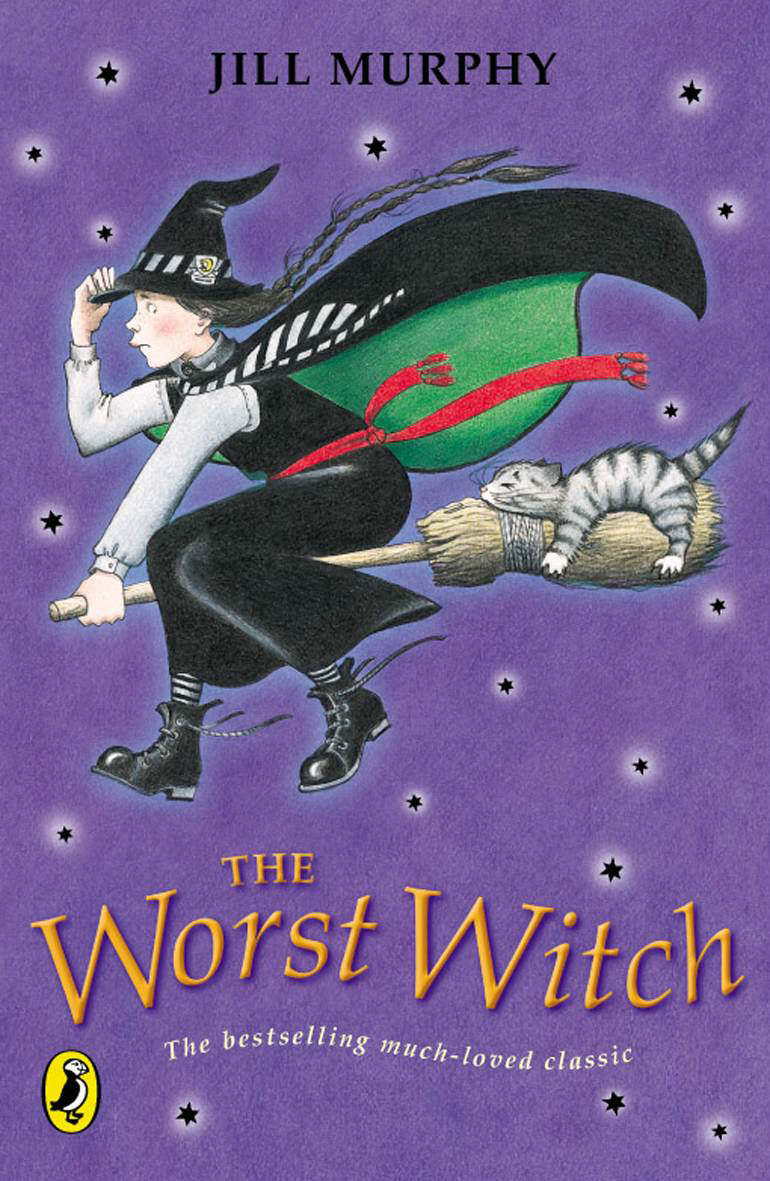
worst witch

Image Credit: Jill Murphy, ‘The Worst Witch’ – a children’s classic, which I highly recommend.

Can you help Wanda, the Grand High Witch, to find the local reporter hiding at her Halloween Girls Night Out? Solve the number problems and unveil the imposter.

Which witch is which? (pdf)

This starter or homework activity includes order of operations, factors, prime numbers, addition and multiplying (written method).

Happy Halloween!

(Updated: 1st Nov 2017)